
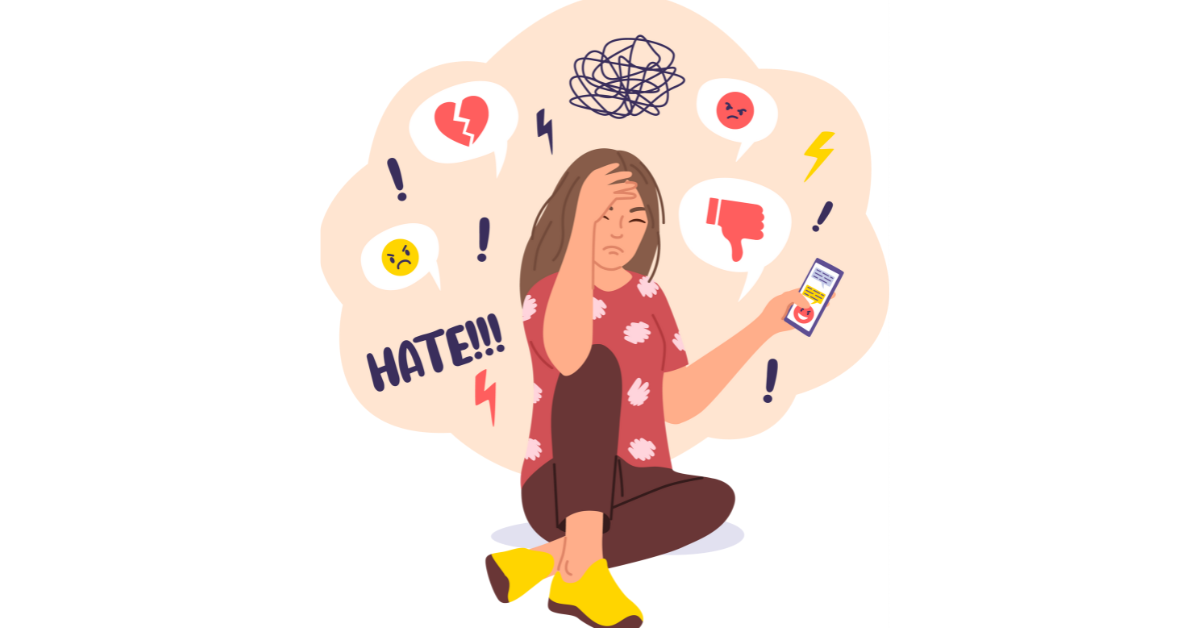

Do you ever find yourself asking, “Why do I keep ending up in the same kind of toxic relationships?” Whether it’s romantic partners, friends, or even colleagues, the pattern feels eerily familiar. At first, things seem promising. Then, over time, the red flags appear—disrespect, emotional unavailability, or outright manipulation—and you’re left wondering how you got here again. The truth? These patterns are often deeply rooted in your early experiences, particularly if you grew up with emotionally immature or unavailable parents. Let’s think about breaking unhealthy relationship patterns.
How Emotionally Immature Parents Shape Patterns
Growing up in a household with emotionally immature parents sets the stage for attachment patterns that can make you more vulnerable to unhealthy relationships as an adult. If your caregivers were inconsistent, dismissive, or overly critical, you may have learned to suppress your needs, over-function to gain approval, or walk on eggshells to avoid conflict. These behaviours were likely survival mechanisms in a chaotic or neglectful environment, but they often carry over into adulthood in less helpful ways.
For example, if your parent’s love felt conditional—only given when you achieved something or behaved a certain way—you might unconsciously seek out relationships where you have to “earn” love or approval. Alternatively, if you experienced emotional neglect, you might find yourself drawn to people who are emotionally unavailable, hoping to finally “win” the love you were denied as a child.
Understanding Attachment Styles and Vulnerability
These early experiences shape your attachment style—the blueprint for how you relate to others. People with insecure attachment styles (anxious, avoidant, or disorganised) are more likely to fall into repetitive unhealthy dynamics.
- Anxious attachment: You might cling to relationships, even when they’re harmful, out of fear of abandonment. You may interpret inconsistent or neglectful behaviour as a challenge to prove your worth.
- Avoidant attachment: You might avoid deep connections altogether, keeping people at arm’s length to protect yourself from vulnerability. This can lead you to seek out emotionally unavailable partners who match your fear of intimacy.
- Disorganised attachment: A combination of anxious and avoidant tendencies, this style often stems from childhood trauma. You might crave closeness but also fear it, leading to a push-pull dynamic in relationships.
These attachment tendencies don’t only manifest in romantic relationships; they can also play out in friendships and workplace dynamics. For instance, you might overextend yourself for a friend who takes advantage of your kindness or feel drawn to a colleague who exhibits controlling or toxic behaviours.
Why Familiar Feels Safe (But Isn’t)
It’s important to acknowledge the role of familiarity. Unhealthy dynamics can feel oddly comfortable because they mirror the environment you grew up in. If criticism, neglect, or chaos was your norm, your brain might interpret similar dynamics as “normal” or even “safe” in adulthood—despite the harm they cause.
Breaking Unhealthy Relationship Patterns
The good news? You can break free from these patterns. Here’s how:
- Build Awareness Start by recognising the patterns. Reflect on your past relationships: Do certain dynamics repeat? What role do you tend to play? Journaling or working with a therapist can help you connect the dots between your childhood experiences and current relationships.
- Reparent Yourself Emotionally immature parents didn’t meet your needs, but you can now. Practice self-compassion, set boundaries, and prioritise your emotional well-being. Treat yourself as the loving, attentive caregiver you didn’t have.
- Challenge Your Beliefs Examine the beliefs you hold about yourself and relationships. Do you believe you have to earn love? That your needs aren’t valid? These beliefs often stem from childhood but can be reframed with practice and support.
- Learn to Identify Red Flags Pay attention to early warning signs in relationships, such as controlling behaviour, emotional unavailability, or lack of respect. Trust your gut instincts and give yourself permission to walk away when something feels off.
- Develop Secure Attachments Healing involves creating new experiences of safety and trust. Seek relationships that are mutual, respectful, and supportive. Surround yourself with people who value and uplift you.
Healing Is a Journey
Breaking unhealthy relationship patterns is not an overnight process. It requires self-reflection, patience, and often professional guidance. But with time and effort, you can learn to recognise toxic dynamics and choose relationships that truly nurture and support you.
You deserve healthy, fulfilling connections. By understanding the roots of your patterns and taking intentional steps to heal, you can break the cycle and create the relationships you’ve always longed for—with others and, most importantly, with yourself.
Further Reading: If you’re ready to learn more about attachment styles and healing, check out this insightful resource on attachment theory. Click here to work with me.


0 Comments