
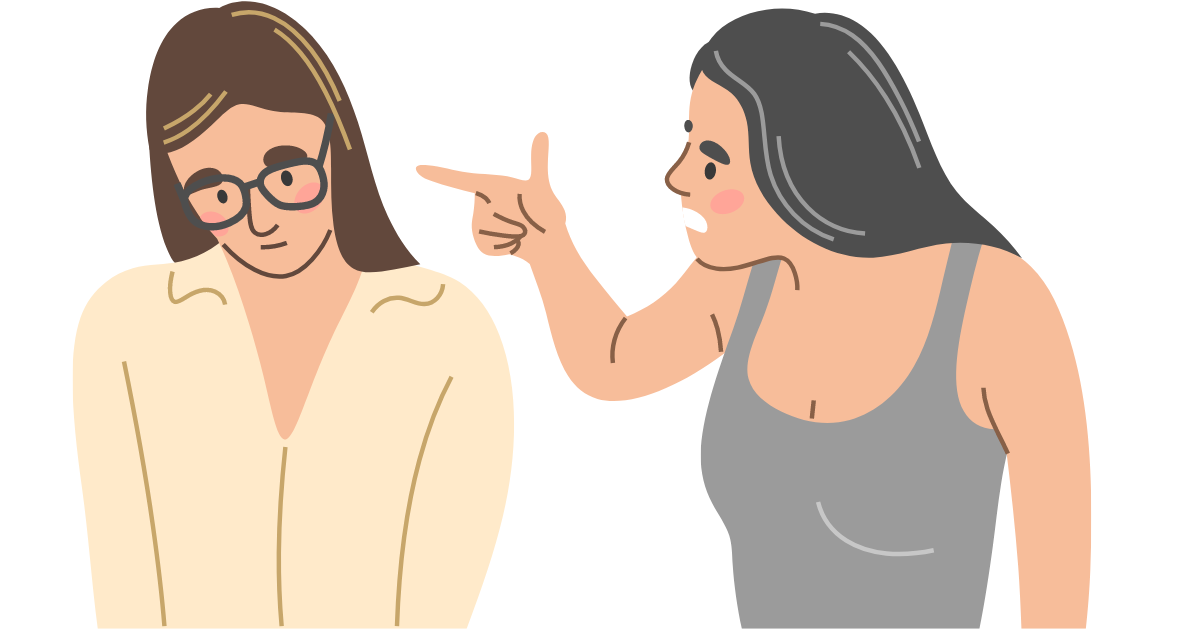

“We’ve never really been close.”
“My sister always sides with Mum.”
“My brother and I seem to remember completely different childhoods.”
These are conversations I hear surprisingly often in therapy. Many people feel confused by the relationship they have with their siblings. They aren’t necessarily arguing all the time, yet there is an emotional distance they struggle to explain. Others describe feeling competitive, resentful or strangely anxious around a brother or sister, even though they genuinely wish the relationship could be different.
The most common explanation people reach for is personality. They conclude that one sibling is simply difficult, selfish or emotionally unavailable. Sometimes that is true. But sometimes the relationship between adult siblings was shaped long before adulthood. Sometimes it reflects the family system they both grew up adapting to rather than the people they have become.
Growing up in the same house doesn’t mean growing up in the same family
One of the biggest misconceptions about siblings is that they all have the same childhood.
In reality, siblings often experience very different versions of family life. Parents change over time. Financial pressures come and go. Relationships begin and end. A parent who was emotionally available with one child may be exhausted or overwhelmed by the time another comes along. Children also have different temperaments, which means they adapt to family life in different ways.
As children, we unconsciously begin discovering who we need to become within our family. One child may become the responsible one because reliability brings praise. Another becomes the funny one because humour eases tension. Another learns to become fiercely independent because asking for help rarely works. Someone else becomes the peacemaker, the achiever or the child everyone worries about.
These roles are rarely assigned deliberately. They emerge gradually through thousands of everyday interactions as children work out how to stay connected, reduce conflict or find a secure place within the family. Eventually those adaptations become so familiar that everyone starts treating them as personality traits rather than recognising them as intelligent responses to the environment.
The difficulty is that these roles don’t just shape our relationship with our parents. They quietly shape our relationships with our siblings too.
Favouritism is often more subtle than people imagine
When people hear the word favouritism, they often picture one child receiving obvious special treatment while another is openly rejected.
In reality, it is usually much quieter than that.
One child’s mistakes may be forgiven because, “That’s just how they are,” while another is expected to know better. One child receives comfort when they are upset, while another is told they are overreacting. One sibling’s achievements are celebrated enthusiastically, while another’s become quietly expected. One child may be trusted with adult conversations while another feels invisible unless something has gone wrong.
Parents do not always intend these differences. Many would be genuinely distressed to think they had treated their children unequally.
But children do not experience intentions.
They experience patterns.
Over hundreds and thousands of interactions, those patterns begin shaping how each child understands themselves. One child may conclude, “I have to achieve to be valued.” Another may learn, “If I stay quiet, everyone is happier.” Another may come to believe, “Nothing I do is ever quite enough.”
Those beliefs rarely stay contained within the parent child relationship. They influence how siblings see one another too. If one child appears to receive more patience, more approval or more emotional closeness, brothers and sisters naturally notice. Over time, this can create resentment, distance or a quiet sense that everyone occupies a different place within the family.
When siblings become competitors instead of allies
Children rarely compete because they dislike one another.
More often, they compete because the family system quietly teaches them that approval, attention or emotional safety feels limited.
If one child learns that achievement brings closeness, they may work tirelessly to succeed. If another discovers that agreeing with a parent keeps the peace, they may avoid challenging them. If another learns that being helpful earns affection, they may spend childhood looking after everyone else.
None of these children consciously decide to compete with their siblings. Yet each is trying to protect the role that feels safest within the family. Instead of naturally turning towards one another for comfort, they may begin protecting their own position within the system.
As adults, those patterns can continue. One sibling may still seek approval. Another may withdraw. Another may feel permanently misunderstood. What looks like personality conflict today may actually have begun as childhood strategies for staying emotionally safe.
When parents become part of the sibling relationship
Healthy sibling relationships develop when brothers and sisters are free to build their own relationship with one another.
In some families, however, parents become the bridge through which siblings relate.
A parent may complain about one child to another. They may compare siblings, share private conversations or expect one child to take their side after an argument. They may regularly tell one sibling what another has said instead of encouraging them to speak directly to each other.
In Family Systems Theory, this pattern is known as triangulation. Psychiatrist Murray Bowen suggested that when anxiety builds between two people, it is common for a third person to become drawn into the relationship in an attempt to reduce that tension. In the short term, this can make the family feel more stable because the focus shifts away from the original conflict. However, it rarely resolves the underlying issue. Instead, the child who is drawn in may find themselves carrying emotional responsibilities that were never theirs to hold. Rather than siblings being free to develop trust directly with one another, their relationship gradually becomes shaped by comparisons, divided loyalties and the pressure to take sides. You can learn more here
Over time, siblings stop relating openly and honestly. Their relationship becomes filtered through the parent. Trust becomes harder to build because each sibling begins wondering what has been said behind closed doors or whether loyalty to the parent matters more than loyalty to each other.
Many adults have never heard the word triangulation, yet they immediately recognise the feeling.
“We remember completely different childhoods”
One of the most painful moments in therapy can be when someone says, “My brother insists Mum was wonderful,” or, “My sister says none of this ever happened.”
It is deeply confusing.
Yet siblings often remember childhood differently because they genuinely experienced it differently.
The child who received more emotional closeness will naturally remember a different parent from the child who experienced more criticism. The child who became the confidant may remember feeling trusted and important. The child who was repeatedly blamed may remember constantly trying to avoid getting things wrong.
Neither sibling is necessarily lying.
Neither is necessarily trying to invalidate the other.
They are often describing two genuinely different experiences of the same family.
Recognising this can soften years of confusion. It doesn’t mean everyone will suddenly agree about the past, but it can help explain why these conversations often become so painful. People are not simply disagreeing about memories. They are describing different emotional realities.
The hidden cost of favouritism
People often assume the child who appeared to be favoured escaped unharmed.
The reality is usually much more complicated.
Receiving more approval can bring its own pressures. That approval may feel conditional on staying loyal, agreeing with the parent or continuing to occupy the same role within the family. As adults, these siblings may find it difficult to challenge family narratives because doing so risks losing the connection they have always depended on.
This can leave brothers and sisters feeling profoundly misunderstood. One sibling wonders why the other cannot see what seems so obvious. The other may genuinely struggle to acknowledge those experiences because doing so threatens the role that has helped them maintain connection for much of their life.
Understanding this does not excuse hurtful behaviour.
Nor does it mean every favoured child has had the more difficult experience.
It simply reminds us that every family role carries a cost, even if those costs look very different.
Understanding the system
When people begin exploring sibling relationships in therapy, they sometimes worry the goal is to decide who had the worst childhood or who was treated most unfairly.
It isn’t.
The goal is to understand the system that everyone was adapting to.
Once we begin recognising the roles, the unspoken rules and the ways family members learned to relate to one another, many things that once felt deeply personal begin to make more sense. That understanding does not automatically repair sibling relationships. Some remain distant. Some become closer. Some require clear boundaries to remain healthy.
But understanding the family system often allows people to stop blaming themselves quite so completely. It also creates the possibility of seeing siblings not simply as difficult people, but as adults who adapted to the same family in very different ways.
If your relationship with your siblings has always felt confusing, strained or unexpectedly painful, it does not necessarily mean one of you is simply the problem.
Sometimes you are both still responding to roles that were created decades ago.
Recognising those roles won’t rewrite the past, but it can help you understand the present. And from that place of understanding, you have far more freedom to decide what kind of relationship you want with your siblings now, rather than continuing to live out the one your family system created for you. If this feels relatable then please feel free to contact me here.


0 Comments