
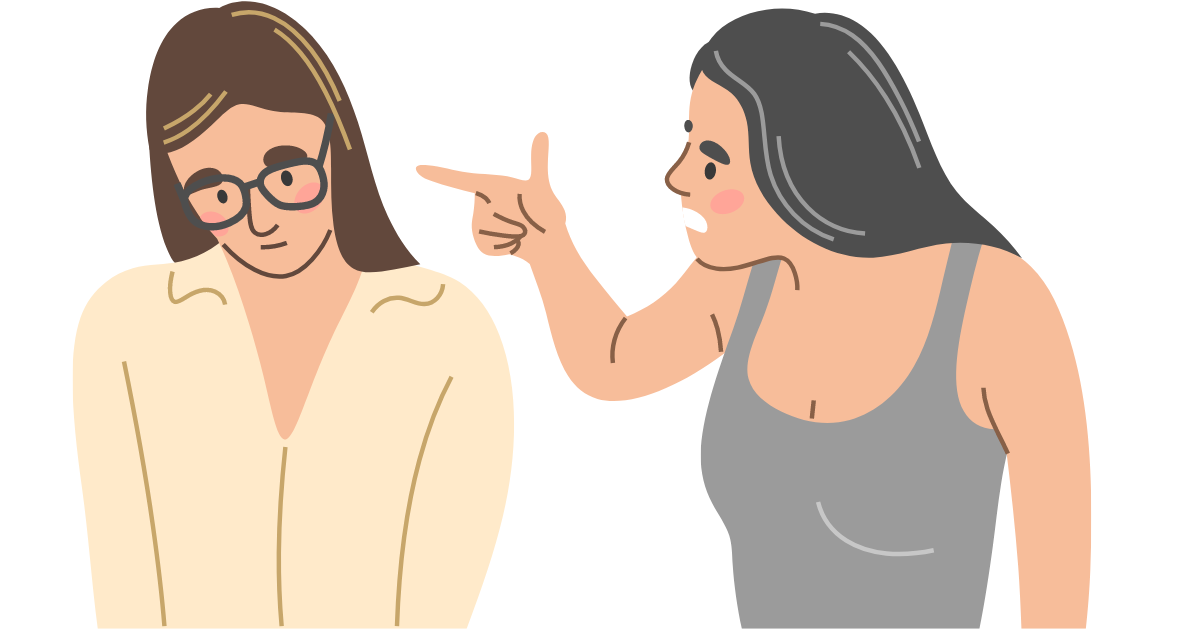

In relationships, it can be difficult to distinguish between a partner’s controlling behaviour and actions that stem from stress. If you’ve ever wondered whether your partner’s actions are a sign of deeper issues or just a response to life’s pressures, this guide will help you make sense of the difference.
Understanding Controlling Behaviour vs. Stress Responses
Controlling behaviour is about power and dominance. It often involves manipulation, coercion, and a lack of respect for your independence. Some common signs include:
- Isolation – Discouraging or preventing you from seeing friends or family.
- Criticism – Regularly belittling or demeaning comments that undermine your self-esteem.
- Monitoring – Checking your phone, emails, or whereabouts excessively.
- Gaslighting – Denying past events or twisting reality to make you doubt yourself.
By contrast, stress responses are not about control. They are reactions to external pressures and usually don’t involve an intent to dominate. Common stress responses include:
- Fight – Becoming defensive, argumentative, or critical.
- Flight – Avoiding conflict or withdrawing emotionally.
- Freeze – Feeling overwhelmed and shutting down.
- Fawn – Overcompensating to please others at the expense of your own needs.
If your partner snaps under pressure, it doesn’t necessarily mean they are controlling. However, if they consistently try to dominate, restrict, or undermine you, that’s a sign of controlling behaviour.
How Childhood Influences Adult Relationships
Your early experiences play a crucial role in how you navigate relationships as an adult. If you grew up in an environment where control, criticism, or emotional neglect were normal, you may be more accepting of controlling behaviour in adulthood.
Psychologists describe four main attachment styles that shape our relationships:
- Secure Attachment – Built from consistent and loving caregiving, leading to healthy relationship patterns.
- Anxious Attachment – Formed from inconsistent caregiving, leading to clinginess and fear of abandonment.
- Avoidant Attachment – Stemming from emotionally unavailable caregivers, resulting in emotional detachment and independence.
- Disorganised Attachment – Often linked to trauma or chaotic environments, leading to unpredictable behaviours in relationships.
If you grew up walking on eggshells, you might mistake controlling behaviour for love, or you might believe that you need to “earn” affection. Recognising these patterns is the first step in breaking the cycle.
Red Flags: Is Your Partner Controlling?
Here are some warning signs that suggest controlling behaviour rather than just stress:
✅ You feel isolated – Your partner discourages or prevents you from seeing friends and family.
✅ They constantly criticise you – Even small things, like how you dress or speak, become a problem.
✅ They monitor you – Checking your phone, tracking your location, or reading your messages without consent.
✅ They gaslight you – Denying past events or telling you that you’re “imagining things.”
✅ You feel afraid to upset them – You modify your behaviour to avoid their reactions.
If any of these resonate with you, it may be time to assess your relationship dynamics.
How to Address Controlling Behaviour in a Relationship
If you notice controlling behaviours, here are some steps you can take:
1️⃣ Open Communication – Express how their behaviour makes you feel. Use “I” statements (e.g., “I feel isolated when I can’t see my friends”).
2️⃣ Set Boundaries – Clearly define what behaviours are unacceptable. For example, “I need privacy with my phone and messages.”
3️⃣ Seek Support – Talk to a trusted friend, family member, or therapist for outside perspective.
4️⃣ Stay Connected – Maintain relationships outside your partnership to ensure you have a strong support system.
5️⃣ Know When to Walk Away – If they repeatedly ignore your boundaries and the behaviour escalates, leaving may be the safest option.
💡 Important: If you are in a relationship where you feel unsafe, support is available. The National Domestic Abuse Helpline offers free, confidential help at 0808 2000 247 (visit their website).

Conclusion: Is It Stress or Control?
While everyone experiences stress, controlling behaviour is intentional and persistent. If your partner frequently disregards your autonomy, privacy, or emotional needs, it may be time to evaluate the relationship. Therapy can help so please contact me to find out if I might be the right person for you.
👉 For those navigating high-conflict separations or divorces, events like One Day provide valuable strategies to manage difficult communications and reduce conflict.
If this article resonates with you, take some time to reflect: Is your partner struggling with stress, or are they making choices that limit your independence? Your emotional well-being matters. 💙

0 Comments