
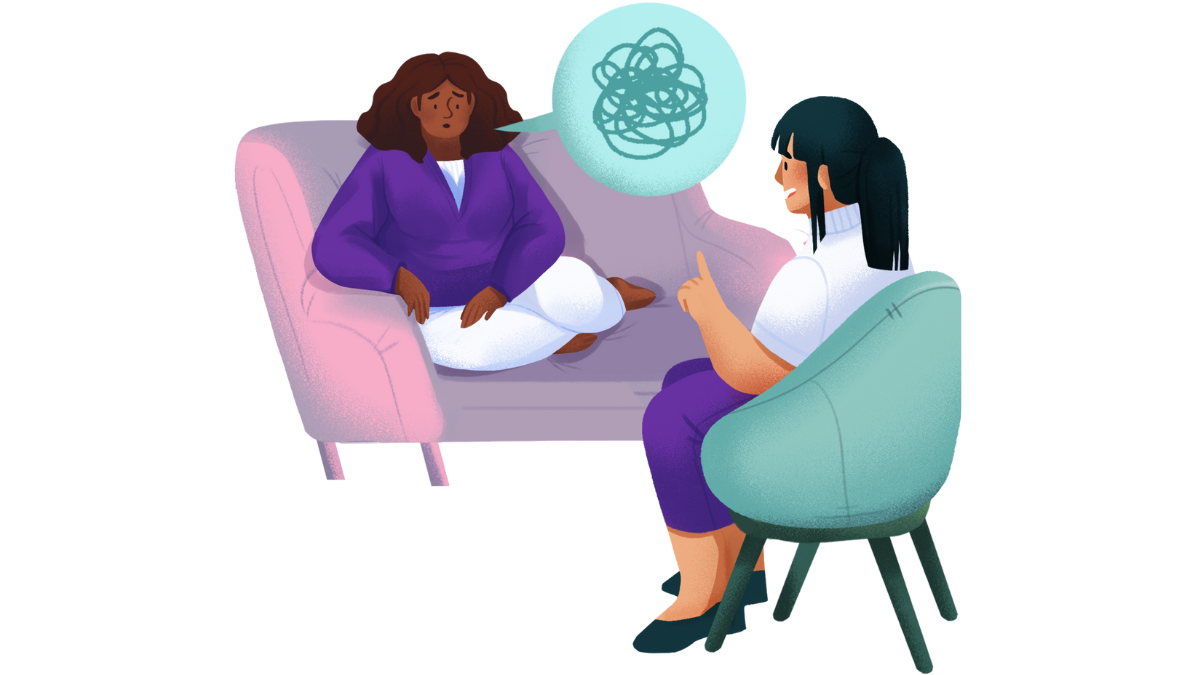

Is it safe to be attached?
If you grew up with emotional unpredictability, anger, or fear in your home, you may find that closeness still feels confusing or unsafe. You want connection but you also feel tense, mistrusting, or even angry when someone gets too close.
This push-pull pattern is common in survivors of childhood trauma. It reflects a deeper question that lives inside your nervous system: Is it safe to be attached?
When love and fear came from the same person
Attachment researchers have long studied what happens when a parent or caregiver is both a source of comfort and a source of danger. The result is often disorganised attachment, a state where the child instinctively wants connection, but also feels deeply afraid of it.
The body sends mixed signals:
- Get close – you need them to survive
- Stay back – they hurt you
This creates a kind of inner war. The need for closeness never goes away, but it gets tangled up with fear, shame, and mistrust. For many, the experience of childhood connection was one of emotional whiplash.
As one therapist puts it:
“Closeness feels dangerous, but so does separation or aloneness.”
Is it safe to be attached when the body says no?
Our attachment system is wired for survival. When a child grows up in a home where closeness and harm co-exist, their brain learns to expect danger even from those they love most.
This shows up in ways that might feel familiar:
- You long for connection, but push people away
- You want emotional closeness, but feel suffocated when it arrives
- You fear being left, but also fear being truly seen
These are not character flaws. They are survival adaptations. Your nervous system has learned to expect threat, and it doesn’t yet know how to feel safe, even when things are safe.
In fact, fear of separation is likely to alternate with anger and mistrust as closeness increases, even in therapy.
The repeating pattern in adult relationships
Without realising it, many adults repeat the dynamics of disorganised attachment. You might:
- Get close, then retreat
- Feel flooded with anxiety when someone pulls away
- Distrust kindness or withdraw when things feel too good
You may even find that you unconsciously test others: Will you hurt me if I let you close? Will you still love me if I fall apart?
When early relationships taught you that love comes with pain, the very thing you crave can feel like a threat.
Healing begins with awareness, not blame
Understanding this pattern is the beginning of change. When clients learn to recognise how trauma shaped their responses, something softens. They stop blaming themselves for being “too much,” “too sensitive,” or “too distant.”
Instead, they begin to notice:
- When does closeness feel too much?
- When do I panic or shut down?
- Am I being triggered or truly unsafe?
Therapy supports this process by offering a new kind of connection: one that doesn’t demand, confuse, or abandon. It offers repeated cues of safety, over time, in the hope that your nervous system can begin to believe:
It is safe to be attached.
Next steps:
If this resonates with your experience, you’re not alone.
Head to my Linktree for blog archives, therapy options, or resources on attachment trauma.



0 Comments