
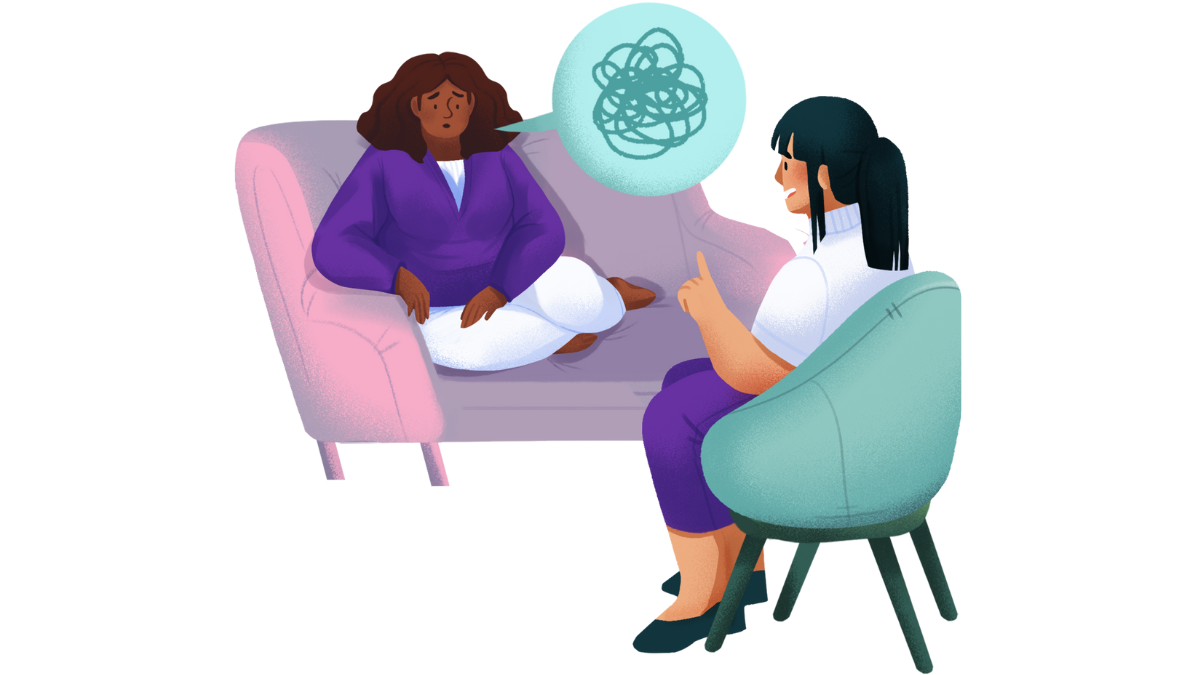

You’re driving home from work when your mum calls. The conversation lasts ten minutes. Nothing particularly dramatic happens. She asks about your weekend, questions a decision you’ve made or makes a passing comment that leaves you feeling strangely unsettled.
An hour later you’re still thinking about it.
You replay what you said. You wonder if you overreacted. You question a decision you had felt completely confident about before the phone rang. You notice your mood has changed and you cannot quite shake the feeling.
If you’ve ever found yourself thinking, “Why do I still feel like a child around my parents?” you are far from alone. It is one of the most common experiences I hear about in therapy, particularly from capable, successful women who manage careers, relationships and families with confidence, yet still find themselves emotionally knocked by an interaction with a parent.
Many people assume this means they are weak, immature or simply “too sensitive.” In reality, it usually reflects something much more understandable. Our earliest relationships shape how we experience ourselves, other people and emotional safety. Even as adults, those early patterns can still be activated in ways that feel confusing.
Why do I feel like a child around my parents?
One of the most frustrating parts of this experience is that it often seems irrational.
You know you’re an adult. You pay your own bills. You make important decisions every day. Friends and colleagues trust your judgement. Yet after speaking to a parent, you suddenly find yourself doubting yourself in a way that rarely happens anywhere else.
Clients often say things like, “I don’t even know why I was explaining myself,” or “I felt as though I needed their approval even though I knew I didn’t.”
These reactions can leave people feeling embarrassed. They wonder why they cannot simply ignore the comments or stand their ground more confidently.
The answer often lies in understanding how our brains adapt during childhood.
Your brain learned how to stay emotionally safe
As children, we rely on our parents for far more than practical care. We also depend on them emotionally. Our brains become highly attuned to their moods, reactions and expectations because those relationships are essential to our survival.
If you grew up feeling that love, approval or emotional safety depended on getting things right, keeping the peace or managing someone else’s emotions, your brain learned to respond accordingly.
Perhaps you became the child who anticipated everyone else’s needs. Perhaps you learned that explaining yourself reduced criticism. Perhaps saying yes felt safer than risking disappointment or conflict.
These were not signs that something was wrong with you. They were intelligent adaptations to the environment you were growing up in.
The difficulty is that our brains often continue using those same strategies long after they are needed.
It is often the familiar feeling, not the words themselves
People sometimes imagine that these reactions only happen after obvious arguments or criticism. In reality, that is rarely the case. Sometimes it is simply a familiar tone of voice. A sigh. A question that feels loaded. A comment that seems harmless to anyone listening from the outside.
You may struggle to explain why it affected you so much because, objectively, very little was actually said. This is where many people begin questioning themselves.
“Maybe I’m making a fuss over nothing.”
“What is wrong with me?”
The reality is that your brain is not only responding to today’s conversation. It is responding to years of learning what certain expressions, tones or interactions have meant in the past. The emotional response is often about the history of the relationship rather than the individual comment.
Why understanding it does not automatically make it stop
Many clients arrive in therapy already knowing where these patterns come from.
They have read books. Listened to podcasts. Followed psychologists on social media.
Yet they still find themselves over explaining, apologising or feeling guilty after speaking to a parent.
This makes perfect sense.
Insight is important, but it does not immediately change patterns that have been repeated over decades.
These reactions developed automatically because they once served an important purpose. Your brain learned them through experience, not through logic. That is why simply telling yourself, “I’m an adult now,” often does very little in the moment.
Real change usually comes from repeatedly noticing the pattern, understanding what your brain is predicting and gradually discovering that you have more choice than you once did.
Therapy is not about blaming your parents
One of the biggest misconceptions about therapy is that it encourages people to blame their parents for everything.
That is not how I work. Many parents genuinely loved their children while unknowingly passing on patterns shaped by their own experiences. Understanding your childhood is not about deciding whether your parents were good or bad people. It is about understanding why your brain learned the strategies it did and whether those strategies are still helping you today. Compassion for your parents and compassion for yourself can exist at the same time.
What changes through therapy?
One of the biggest shifts people describe is that family interactions begin to have less emotional impact. The phone calls do not necessarily change. Your parents may not suddenly become different people. What changes is your relationship with the interaction.
Instead of automatically defending yourself, you notice the urge to explain and choose whether you actually need to.
Instead of carrying guilt for the rest of the day, you become curious about why it showed up.
Instead of feeling like the child who needed approval, you begin responding as the adult you are today.
That change rarely happens overnight, but it is one of the most rewarding parts of therapy. Many people tell me they still care deeply about their parents, but they no longer feel emotionally pulled around by every conversation.
You can stay connected without losing yourself
Recognising these patterns does not automatically mean you need to reduce contact or cut ties with your family.
For some people, that may be the healthiest choice.
For many others, it is not what they want.
The goal is often much simpler. It is learning how to remain connected while staying connected to yourself as well.
If one phone call from your mum changes your whole day, there is nothing wrong with you.
Your brain is responding in the way it once learned to protect an important relationship. The encouraging news is that patterns learned through relationships can also change through relationships.
With greater understanding, self compassion and the support of therapy, it is possible to stop feeling like the child you once had to be and begin responding from the adult you have become.
If you think this all resonates and would like to work with me, get in touch.


0 Comments