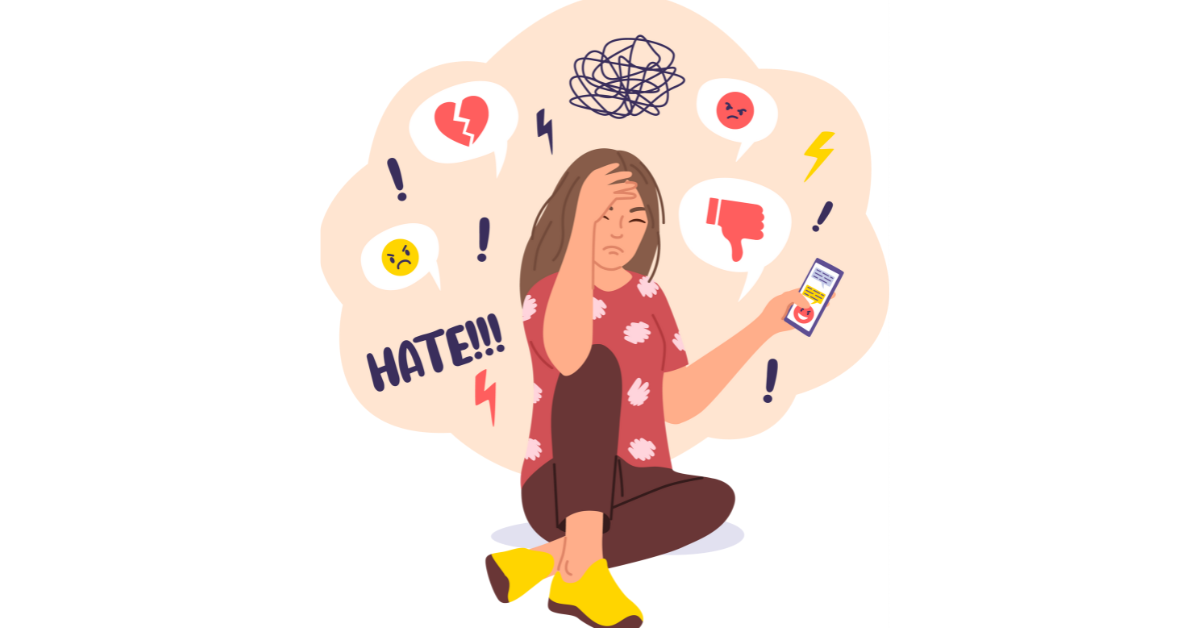

When we talk about emotional abuse, we often picture overt behaviours like shouting, name-calling, or blatant manipulation. But some forms of emotional abuse are far more subtle. This makes them harder to identify and even harder to understand their impact. Yet, these lesser-known behaviours can leave deep emotional scars that shape the way we view ourselves and our relationships. Here’s a closer look at four forms of emotional abuse that often fly under the radar: cold shouldering, sleep deprivation, guilt-tripping, and overprotection. These are 4 lesser-known forms of emotional abuse and their lasting impact:
1. Cold Shouldering: Silence as Punishment
Cold shouldering, often called “the silent treatment,” is a way of withholding communication or affection to punish or control someone. When a person refuses to acknowledge your presence, ignores your attempts to communicate, or withholds affection, it’s not just a “cooling off” period. This silent treatment can feel like rejection. It can make you question your worth, often forcing you to tiptoe around, seeking ways to “earn” their attention. Over time, it can lead to self-doubt, anxiety, and a strong fear of abandonment.
2. Sleep Deprivation: Control Through Exhaustion
While sleep deprivation might not seem like an obvious form of abuse, it is often used to keep someone vulnerable, dependent, or more easily manipulated. This might include intentionally waking someone up, preventing them from getting rest, or disregarding their need for sleep. Lack of sleep wears down a person’s resilience, making them emotionally susceptible and less able to think clearly or stand up for themselves. Over time, this can lead to exhaustion, irritability, and emotional fragility, creating a cycle that leaves the victim feeling mentally and physically drained.
3. Guilt-Tripping: Manipulating Through Guilt
Guilt-tripping is a tactic where someone makes you feel guilty for setting boundaries, expressing needs, or even prioritising your own well-being. It’s subtle but incredibly powerful, making you feel like you’re a “bad person” if you don’t go along with their wishes. In many cases, guilt-tripping can lead to chronic people-pleasing behaviours, as victims learn to prioritise others’ needs over their own to avoid feeling guilty. Over time, this can erode your sense of self, leaving you with feelings of unworthiness and self-blame.
4. Overprotection: Control Disguised as Care
At first glance, overprotection might look like genuine care or concern. But when someone constantly shields you from life’s challenges or makes decisions for you, it’s often a form of control. Overprotection sends the message that you’re incapable of handling life on your own. This can leave lasting impacts on self-esteem, as you may begin to believe that you’re helpless without their guidance. As an adult, it can lead to dependency, difficulty with decision-making, and low self-confidence. It can lead to financial abuse, to learn more about that read my blog here.
Healing and Moving Forward
Recognising these behaviours is a powerful first step toward healing. If you’ve experienced any of these forms of emotional abuse, remember that you’re not alone, and healing is possible. Therapy, support groups, and self-reflection can help you reclaim your sense of self and rebuild your self-worth. Understanding that these experiences were forms of control and not reflections of your own value can be liberating. As you begin to unlearn these patterns, you’ll find that it’s possible to build relationships where respect, trust, and support are the foundation.
If you resonate with any of these descriptions, consider reading more about emotional abuse and its effects. Gaining insight into these subtle dynamics can empower you to break free from their influence and create a life rooted in genuine self-respect and healing. Or give me a call! Here is a link to some types of other support with MIND.

0 Comments