
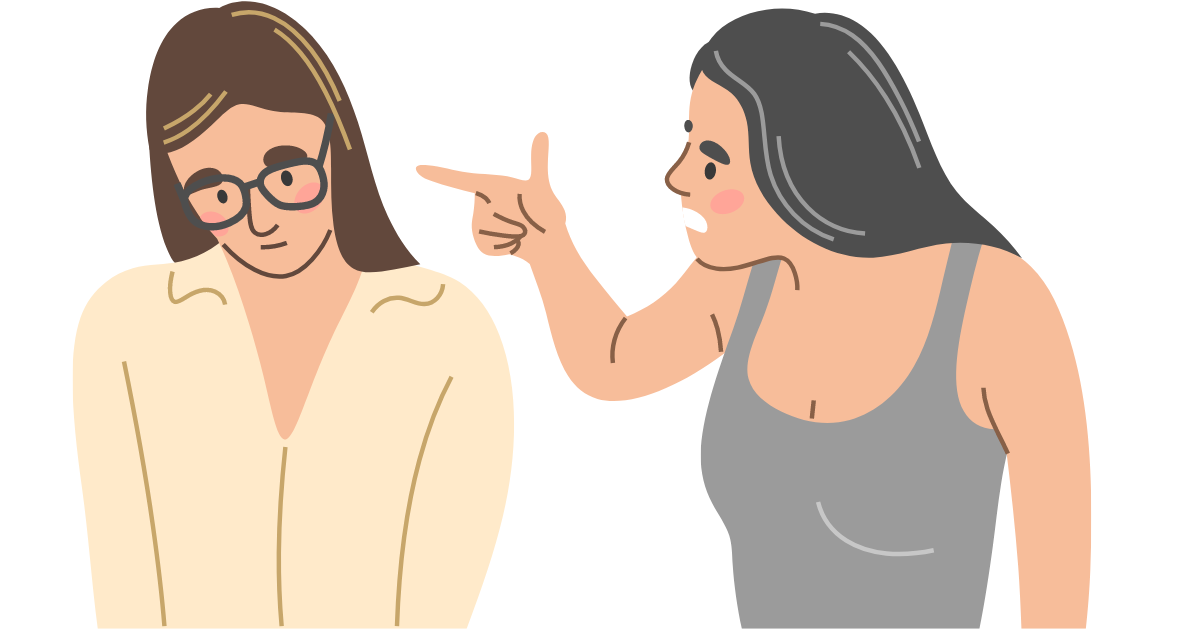

Have you ever found yourself reacting with irritation, anger, or an overwhelming urge to argue — even when the situation doesn’t seem to warrant it? Or maybe you’ve been called “too much,” “too intense,” or “overreactive.” If any of that sounds familiar, you might be experiencing the fight trauma response.
In this blog, we’ll explore what the fight trauma response looks like in adulthood, especially through the lens of relational and attachment trauma. We’ll also look at how these patterns form, what they’re trying to protect, and why they often show up in close relationships — the very places we most want to feel safe.
What Is the Fight Trauma Response?
The fight trauma response is one of the body’s natural survival strategies when faced with threat. Alongside flight, freeze, and fawn, it’s a way the nervous system mobilises us in danger. In the fight response, the body gears up for conflict — muscles tighten, heart rate increases, and the instinct is to push back or defend.
But in the context of trauma, especially attachment wounds in early life, this response can become wired in even when we’re not actually in danger. It shows up in arguments with partners, tension with authority figures, or moments when we feel disrespected or out of control.
The nervous system doesn’t differentiate between a dismissive parent from 30 years ago and a mildly critical colleague today. If the original emotional learning was: “I have to fight to protect myself,” that’s the script your body might still be following.
How the Fight Response Shows Up in Adulthood
People with a dominant fight trauma response often carry deep, unconscious emotional learnings that were formed in childhood. In coherence therapy terms, these are the beliefs that feel true in your body, even if your rational mind says otherwise.
You might notice patterns like:
- Quick temper or defensiveness, especially when criticised
- A need to feel in control of situations or people
- Reacting strongly to perceived disrespect
- Finding it hard to let things go — ruminating or needing to “win” arguments
- Getting labelled as “aggressive” or “confrontational”, even if your intention is to protect
Underneath all of this, there’s usually a sense of vulnerability that feels unsafe. The fight trauma response isn’t about being “angry” — it’s about protecting something tender that was once ignored, invalidated, or hurt.
The Attachment Trauma Connection
If you grew up in an environment where your needs weren’t met, where boundaries were crossed, or where you had to stay alert to avoid criticism or harm, the fight response might have been your way of surviving. You may have learned:
- “I must be strong or I’ll be attacked.”
- “If I push back first, I won’t be humiliated.”
- “Being vulnerable means being hurt.”
In adult relationships, this can lead to emotional walls, power struggles, or even patterns of repeated conflict. Ironically, these responses — meant to create safety — often lead to disconnection, reinforcing the sense that closeness isn’t safe.
People who carry the fight trauma response may also find themselves repeatedly drawn into toxic or abusive relationships, especially where control, dominance, or volatility feel familiar. The nervous system recognises the pattern — even if it’s painful — and interprets it as home.
Soothing the Fight Response
Healing from the fight trauma response doesn’t mean shutting down your anger. Anger is a valid and vital emotion. The work is about understanding what it’s protecting, and gently helping your system learn new ways to feel safe in connection.
This might include:
- Somatic grounding practices to regulate hyperarousal
- Naming the trigger and the story your body is telling you
- Exploring the original emotional learnings in therapy
- Practising safe vulnerability in relationships, bit by bit
Therapy can offer a space to unpack these patterns and rewrite the internal messages that drive them. Over time, the body learns it doesn’t have to fight to be safe.
External Validation: You’re Not Alone
According to trauma expert Bessel van der Kolk, the body keeps the score — and often, those scores show up in the form of defensive or explosive responses that confuse both the person experiencing them and those around them. You can read more about this in The Body Keeps the Score.
Ready to Understand Your Patterns?
If you’re beginning to recognise yourself in the fight trauma response — or if someone you love carries this survival strategy — know that it isn’t a character flaw. It’s a nervous system doing its best to keep you safe.
Therapy can help you uncover the emotional roots of these patterns and create space for new ways of relating. You don’t have to stay in survival mode forever.
👉 Get in touch here if you’d like to explore how therapy can support your healing.


0 Comments