

Spoiler Alert: It’s Not Just Bad Luck
Ever wonder to yourself why do I keep choosing toxic relationships? Relationships that that feel… well, not great? It’s like there’s a flashing neon sign that says, “Hey! Toxic narcissists, please apply here”!! (please read this blog on why I do not like using the term narcissist but that is a whole other story!!)
Even though you’re think you are trying to avoid them. You might look at your relationships and think, “How is this happening again?”
I get it. It’s frustrating, and let’s be honest, a little bit soul-crushing. But here’s the thing: it’s not because you’re cursed or broken. It’s not even because you have a terrible radar (though that’s an easy explanation). Often, these patterns stem from something deeper: your early attachment experiences.
You might be thinking, “Great, so now it’s my childhood’s fault?” And yeah, in a lot of ways, it is—but not in the “blame your parents for everything” kind of way. More like, the experiences we had as children shape the way we relate to others as adults. Makes sense, right? Those early relationships with caregivers set the blueprint for what feels “normal” in future relationships. And sometimes, what feels “normal” isn’t exactly healthy. It’s like your brain got used to a certain type of chaos, and now it thinks, “Ah, this must be what love feels like.”
So, What Went Wrong in Childhood?
Not all of us grew up in homes that had nightly family dinners with laughter and love. Some of us were managing unpredictable parents, emotional neglect, or even outright abuse. When you’re a kid, your survival instincts are strong, so you adapt. You learn how to get attention (good or bad), how to stay small and not cause waves, or maybe how to be a peacemaker to prevent things from getting worse.
Those coping mechanisms worked back then. They kept you safe, or at least safer than you would’ve been without them. But the problem is, those same behaviours follow you into adulthood, where they don’t really serve you anymore. Instead, they lead you to people who activate those same survival mechanisms, recreating old dynamics that feel familiar. Toxic? Yes. But familiar? Absolutely. And for the brain, familiar equals safe. That’s where things get tricky.
But Why ‘This’ Partner Again?
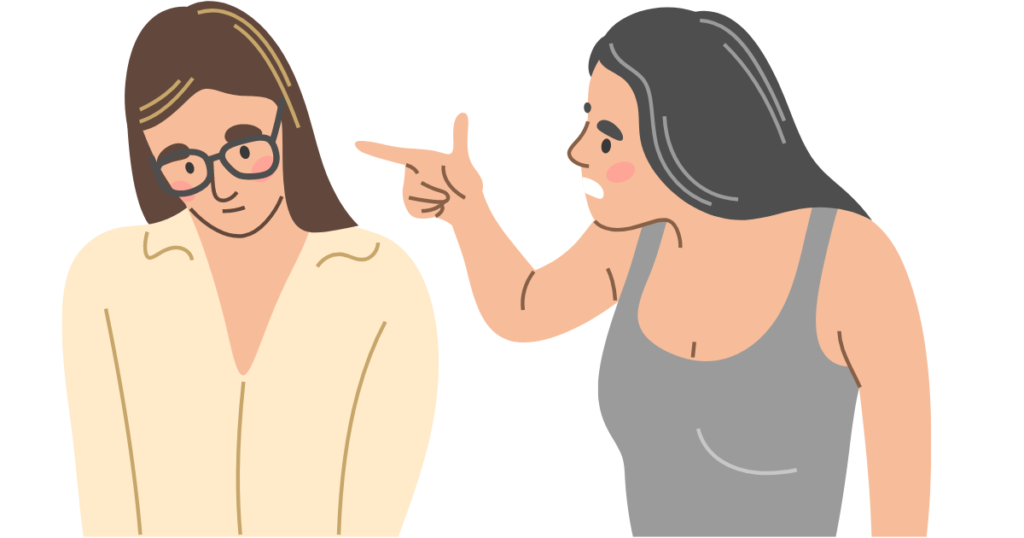
You may have sworn off dating people like your ex. You may have given yourself pep talks, saying, “This time, I’m choosing better. This time, I’m walking away from the first red flag.” And yet, somehow, you’re three months in, realising your new partner has just as many red flags as the last one. Cue the “how did I not see this coming?” moment.
Here’s the irony: we’re wired to be drawn to what feels familiar, even if what feels familiar is bad for us. It’s like you’ve been handed a map that always leads you back to the same dead-end. You connection, but if your blueprint for love was built on shaky ground, then stable, healthy relationships might actually feel… off. Maybe even boring. And who wants boring, right? (Spoiler: boring is exactly what you need, but we’ll get to that later.)
The Myth of “Fixing” Them
Another layer to this is the idea that maybe, just maybe, this person will be different. Maybe this time, you can fix them. Or help them heal. Or love them enough that they finally see their toxic behaviours.
But here’s the harsh reality: you can’t fix someone who doesn’t want to change or even know they should. Relationships shouldn’t mean sacrificing your own well-being. Letting go of that responsibility to heal someone else or stay with them can be the first step to your healing.
So, How Do I Break the Cycle?
The first step is recognising that the problem isn’t your terrible luck or some flaw in your character. It’s that your internal GPS is still set to ‘toxic’, and it’s time to recalibrate. This means doing the work to understand where those patterns came from and getting comfortable with something radically different—healthy relationships. Therapy with someone who focusses on relationship trauma is such a great starting place.
And here’s the thing: healthy relationships might feel weird at first. They won’t have that same adrenaline rush or drama. They’ll feel… calm. Stable. Safe. And at first, your brain might not know what to do with that. It’ll be like, “Wait, is this boring?” And you might even feel tempted to stir things up just to make it feel more like what you’re used to.
Resist that urge. Sit in the discomfort of peace.


0 Comments