


Do you ever find yourself stuck in a cycle of unhappy relationships, wondering why the same patterns keep repeating? You may feel frustrated, confused, and deeply unhappy. You might not understand why you seem to be attracted to people who don’t treat you well. Perhaps your relationships are filled with tension, arguments, or a sense of emptiness. You could also feel alone, believing that something must be wrong with you. Understanding attachment trauma can help.
What you may not realise is that you could be experiencing something called attachment trauma. This is a form of emotional wounding that stems from difficult, or neglectful experiences in your early relationships. Especially with those closest to you, such as parents or caregivers. These early experiences can influence the way you relate to others as an adult, even if you aren’t aware of it.
What is Attachment or Relational Trauma?
Attachment trauma happens when, as children, our emotional needs are not met by those who were meant to care for us. If you grew up in a household where you didn’t feel safe, seen, or supported, or if your parents were emotionally unavailable, controlling, or even neglectful, you might have experienced relational trauma. Even subtle emotional neglect, like a parent being too wrapped up in their own problems to fully be there for you, can leave a deep impact.
This kind of trauma isn’t about one big, obvious event. It’s often a slow, subtle process where, over time, you learn to believe that your needs don’t matter, that love is conditional, or that closeness brings pain. You might start seeing the world through the lens of these early experiences, carrying them into adulthood without realising how much they are affecting your relationships.
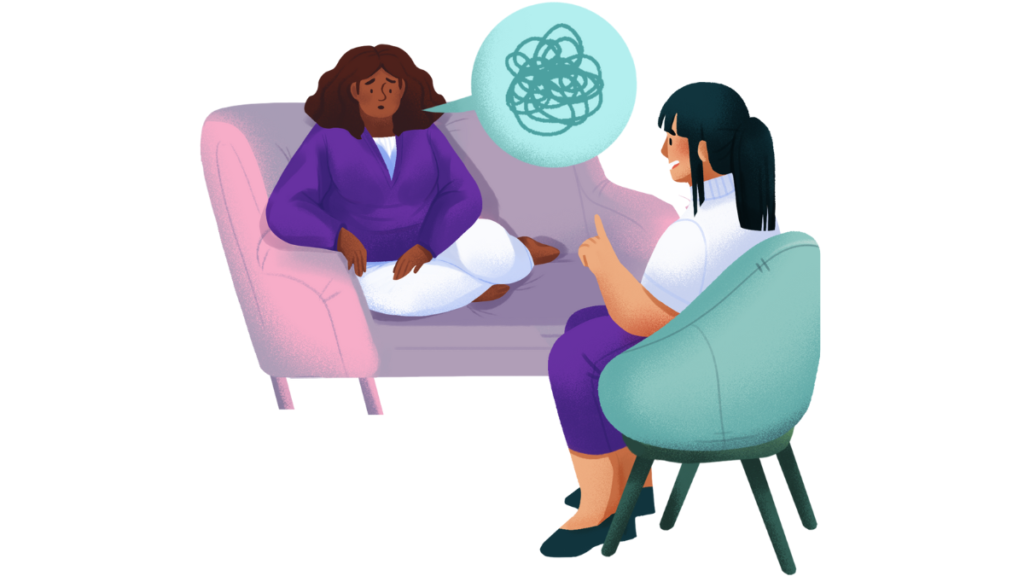
Signs You May Have Attachment Trauma
If you have attachment or relational trauma, it can show up in many ways, especially in your relationships. You might feel:
- Constantly on edge or anxious. You may worry that your partner will leave you. You may feel like you’re walking on eggshells, afraid of saying or doing the wrong thing.
- Unworthy of love. Deep down, you may believe that something is wrong with you or that you don’t deserve to be loved. This can lead to staying in unhealthy relationships because you don’t believe you deserve better.
- Confused about your emotions. You might struggle to know what you’re feeling or find it difficult to express your emotions, especially in relationships.
- Overwhelmed by fear of abandonment. This can lead to clinging to relationships, even when they aren’t good for you. The thought of being alone feels unbearable.
- Emotionally disconnected. Sometimes, relational trauma can make you shut down emotionally, leading to feeling numb, or detached in relationships.
- Repeatedly choosing unhealthy partners. You may find yourself attracted to people who are emotionally unavailable, critical, or even abusive, repeating the same patterns from your childhood without realising why. Read more here.
The Feelings Behind Attachment Trauma
When you’ve experienced relational or attachment trauma, it can stir up a mix of painful emotions. You might feel shame, thinking, “What’s wrong with me?” or “Why can’t I just have a normal relationship?” There may also be a deep sense of loneliness, even when you’re with a partner, because it feels like they don’t truly see or understand you. This loneliness can be paired with feelings of anger or sadness, especially if you’ve been trying to make things work but nothing seems to change.
You may also feel powerless. It can make you feel like no matter what you do, you can’t seem to break free from the cycle of unhealthy relationships. It’s exhausting, and it can feel like there’s no way out.
Behaviours You Might Notice
Attachment trauma can show up in your behaviours too. You might:
- Avoid intimacy or commitment. If getting close to people feels unsafe, you might keep relationships at a distance, or end them before they can become too serious.
- Overgive or people-please. You may feel like you need to constantly take care of others or earn their love, putting their needs above your own.
- Sabotage relationships. Sometimes, without meaning to, you might push people away or start arguments, especially when things are going well, because deep down, you’re afraid of getting hurt.
- Stay in toxic relationships. Even when you know a relationship is unhealthy, leaving can feel impossible, as if being in a bad relationship is better than being alone.
Healing from Attachment Trauma
The good news is that attachment trauma isn’t a life sentence. You can heal. Therapy, especially attachment-based therapy, can help you begin to unravel the patterns that have kept you stuck. By understanding the roots of your trauma, you can learn to build healthier, more fulfilling relationships—ones based on mutual respect, trust, and genuine emotional connection.
If you see yourself in these words, know that you’re not alone, and your feelings are valid. Healing takes time, but it’s entirely possible to break free from the cycle of relational trauma and create the kind of loving, supportive relationships you deserve.

0 Comments