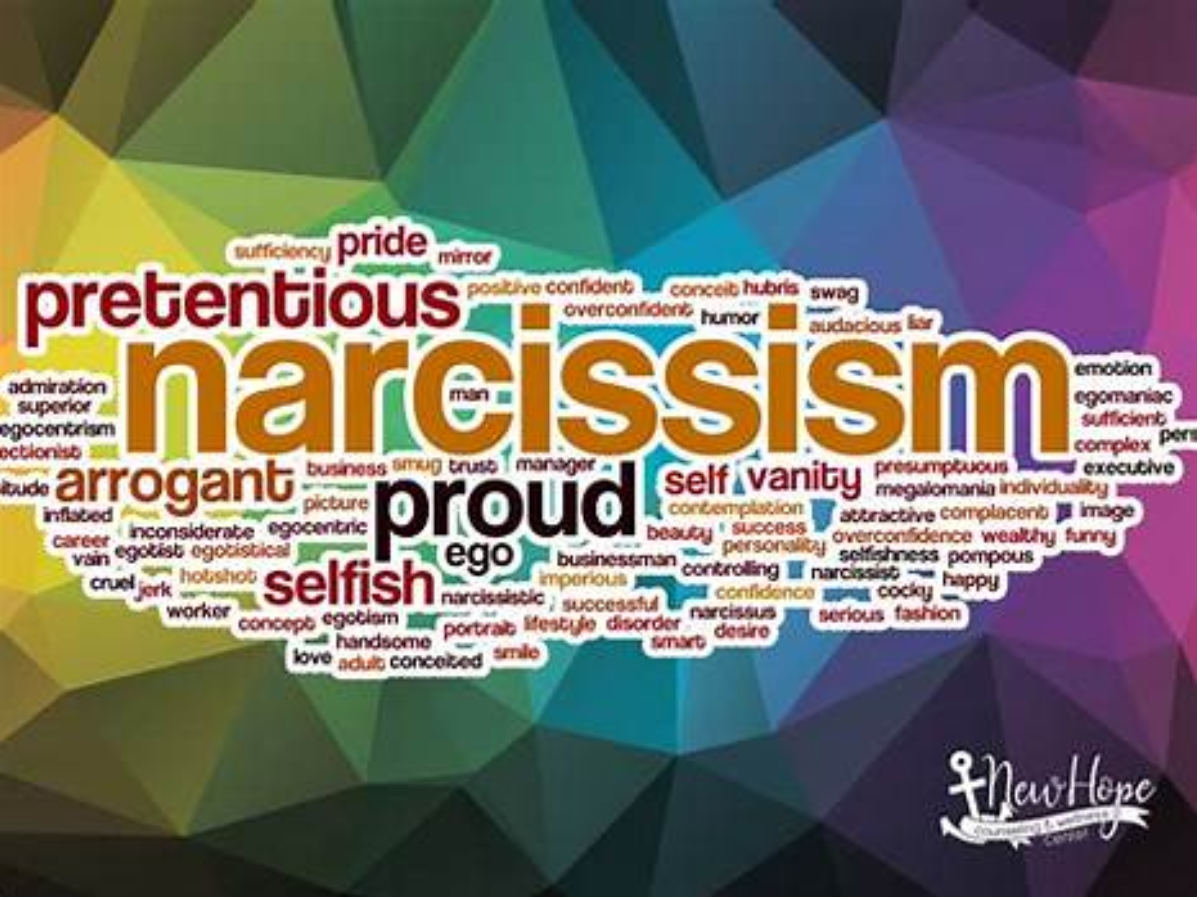

So here is why I dislike the term narcissist:
In the realm of mental health, few terms have gained as much popularity and controversy as “narcissist.” As a therapist I’ve come to dislike this word. Of course it does hold relevance in certain contexts, but it’s often used carelessly. This oversimplifies complex psychological dynamics. The outcome being causing harm rather than facilitating understanding, and ultimately not helpful to personal growth for a client.
The term narcissist has become culturally entrenched. The label is overused. It is used in everyday conversations and prolific across social media. Even used by professionals who lack the necessary expertise to diagnose such a complex personality disorder. This rampant overuse has led to a dilution of its meaning, blurring the lines between genuine narcissistic personality disorder (NPD) and simply exhibiting selfish or unpleasant behaviour. Sometimes you are just married to an idiot.
The diagnosis
First and foremost, it’s crucial to recognise that narcissism, as a clinical diagnosis, falls under the remit of diagnosticians. It’s a mental health condition. NPD is characterised by a pervasive pattern of grandiosity, a constant need for admiration, and a lack of empathy. The Diagnostic and Statistical Manual of Mental Disorders (DSM-5), the authoritative guide for mental health professionals, outlines specific criteria. These criteria must be met for someone to be diagnosed with NPD, and therapists and counsellors cannot diagnose! Only 1-5% of the population has NPD so you can’t all be married to a narcissist. Read more here.
In everyday conversation, the term narcissist is often used as a catch-all phrase. Often to describe anyone who displays self-centred or manipulative behaviour. This oversimplification diminishes the seriousness of NPD. It also stigmatises individuals who may be struggling with other mental health issues or simply going through a difficult phase in their lives.
Labelling someone as a narcissist without proper evaluation can have damaging consequences. It can lead to misunderstandings in personal relationships and fuel conflicts in families. It can even contribute to the erosion of trust between therapists and their clients. Clients who are told by their therapists that they are married to a narcissist may internalise this label. This perpetuates a negative narrative that may not accurately reflect the reality of their situation.
Therapists.
As therapists, our primary duty is to provide ethical and responsible care to our clients. This includes refraining from making hasty diagnoses or using diagnostic labels outside of our scope of expertise. If a therapist labels your partner as a narcissist it raises questions about their professionalism and adherence to ethical guidelines. The focus should be on you and validating your experiences without the use of labels.
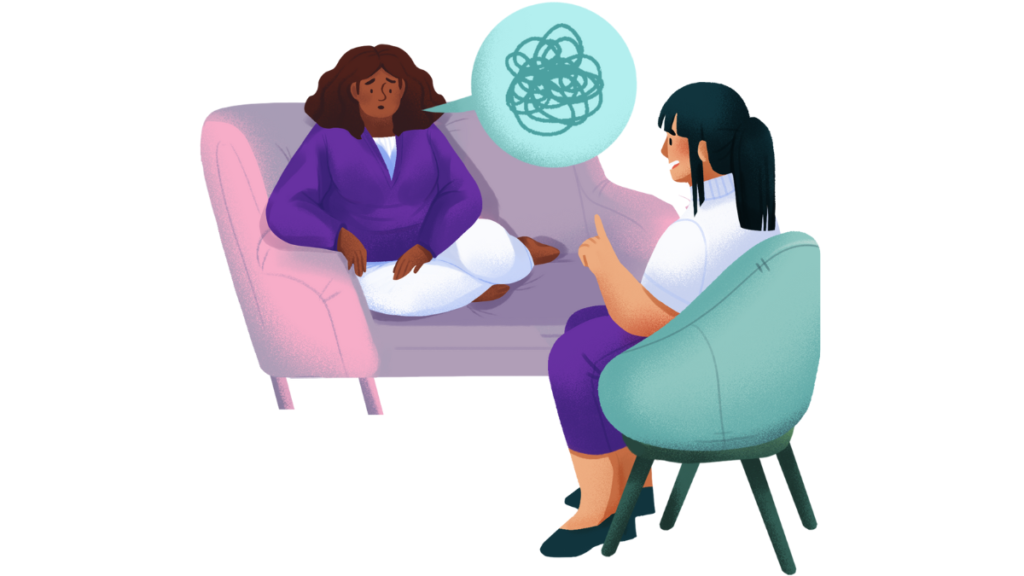
Instead of rushing to apply the label of “narcissist,” therapists should approach each client with empathy, curiosity, and a willingness to explore the underlying dynamics at play. This means considering factors such as past traumas, relationship patterns, and individual differences before focusing the work on the client in front of you.
Therapists should empower their clients to focus on their own well-being rather than fixating on diagnosing their partners or loved ones. By fostering a sense of agency and self-awareness, therapists can help clients navigate challenging relationships and develop healthy coping strategies.
It’s also important for therapists to educate their clients about the complexities of personality disorders and the limitations of diagnostic labels. Encouraging open dialogue and fostering a nonjudgmental environment can empower clients to share their experiences without.
NPD is a legitimate mental health condition. It can only be diagnosed by qualified psychiatrists through thorough assessment and evaluation.
As therapists, it’s our responsibility to approach each case with sensitivity, empathy, and a commitment to ethical practice. Rather than jumping to conclusions or applying diagnostic labels indiscriminately, we should strive to understand the complexities of human behaviour of the client in front of us. This will empower our clients to make informed choices about their relationships and mental health.
If a therapist tells you that you are married to a narcissist, take their words with a pinch of salt. Maybe seek a second opinion from someone who knows their scope of practice and wants to focus on you and validating your experiences and support you. You need support to deal with your marriage or divorce issues, based on what you are dealing with, rather than attempting to diagnose someone they haven’t even met.

0 Comments